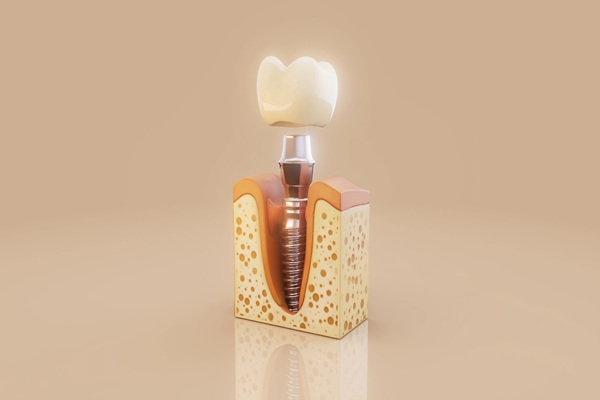
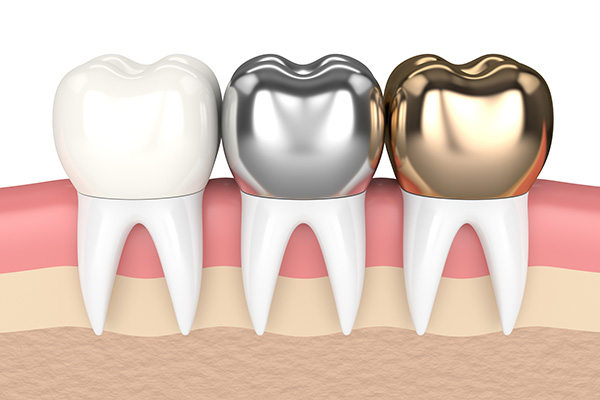
 For patients in need of dental crowns, there are plenty of options available. Two of the most common choices are porcelain crowns and metal crowns (often with a porcelain overlay fused to the metal). Depending on a patient's specific circumstances, one of these crown types may be the preferred option.
Metal Crowns
Metal crowns have the advantage of being exceptionally strong. They can be made from stainless steel or a variety of metal alloys. However, since they cannot be matched to the color of a patient's existing teeth, they are not used as often as they once were.
In some cases, metal crowns are still used for molars that are very far back in the mouth. They take longer to wear down than porcelain crowns and very rarely break as a result of biting or chewing. There is some risk of corrosion with metal crowns, but most metal alloys used for crowns are highly corrosion-resistant.
A common alternative to all-metal crowns are crowns made by fusing porcelain to metal. With these dental crowns, a patient has the advantage of the strength of metal, but the porcelain overlay can be color-matched to teeth. With a porcelain-fused-to-metal crown, the porcelain may eventually chip, exposing the metal beneath. Patients may also be able to see a dark line where the crown meets the gumline.
Porcelain-fused-to-metal crowns are a good choice for patients who want a crown that is color-matched but still can withstand significant biting or chewing force. These crowns can be used for front or back teeth.
Porcelain Crowns
For patients looking for dental crowns with the most natural color matching possible, porcelain crowns may be the better option. They are made with several layers of porcelain, each with a slightly different color, and they come closer to looking like a natural tooth compared to other types of dental crowns. With porcelain crowns, patients also do not need to worry about the dark line often seen at the gumline with porcelain-fused-to-metal crowns. Because there are fewer aesthetic concerns, porcelain crowns are commonly used for front teeth, but they can sometimes be used for back teeth as well.
However, porcelain crowns are not as durable as metal crowns. Because they do not have the stronger layer of metal beneath the porcelain, they can be more prone to fractures over time. In more recent years, some dentists have begun using crowns made with layers of both porcelain and zirconia. Zirconia is an extremely durable ceramic that, like porcelain, can usually be color-matched to a patient's teeth. Porcelain-zirconia crowns are stronger than traditional porcelain crowns, and they may be ideal if excessive wear or eventual breakage is a concern. Both all-porcelain and porcelain-zirconia crowns are a potential option for patients with metal allergies.
Check out what others are saying about our dental services on Yelp: Dental Crowns and Dental Bridges in Allendale Charter Twp, MI.
Conclusion
For patients in need of one or more dental crowns, it is often wise to discuss the benefits and drawbacks of both metal and porcelain crowns with a dentist. By taking into account the location of the affected tooth and the patient's individual preferences, the dentist and patient can decide together on the right material to use.
Request an appointment or call Grand Valley Dentistry at 616-259-6046 for an appointment in our Allendale Charter Twp office.
Recent Posts
Dental crowns play a central role in modern restorative dentistry, offering durable protection for damaged teeth while restoring natural function. Anyone preparing for this treatment benefits from understanding the steps involved in the dental crown process and the advantages it provides.The dental crown process begins with an examination performed by a dental professional. During this…
A dental crown protects a damaged tooth and restores shape, strength, and appearance. Crowns cover the entire visible portion, shielding cracks, large fillings, and worn enamel while improving function. Dentists use crowns to rebuild biting surfaces, anchor bridges, and finish implants. This guide explains when crowns are a suitable option, material choices, treatment steps, costs,…
A dental crown restoration involves two dental visits. Dentists use this type of restoration to repair a range of tooth damage types, including decay, chips, cracks, and teeth worn down by continuous grinding. This guide discusses what you can expect during a dental crown restoration and how a dentist can help ensure a safe and…